Smart and Stylish Solutions for Kids & Youth Bedrooms
A well-organized bedroom can make a meaningful difference in how children learn, relax, and manage their daily activities. As schoolwork becomes an increasingly important part of their routines, having a dedicated place for reading, writing, and completing assignments can help children develop productive habits. Study Desks provide a practical foundation for creating a comfortable workspace while keeping educational materials organized and accessible.
Within the Kids & Youth Bedrooms category, study desks are available in a variety of styles, sizes, and finishes to suit different ages and interior designs. From simple desks for younger children to multifunctional workstations for teenagers, these furniture pieces can transform an ordinary bedroom into a more useful and inspiring environment. Choosing the right desk involves considering available space, storage requirements, comfort, and the child's changing needs.
The Benefits of Adding a Study Desk to a Bedroom
A dedicated study desk gives children a consistent place to complete homework, read books, draw, and work on school projects. Instead of using the bed or another shared surface, they can keep their study materials in one convenient location.
This arrangement can help children establish a regular homework routine. When notebooks, pens, and textbooks are easy to find, they can spend less time organizing supplies and more time concentrating on their tasks. A well-planned workspace can also encourage independence by allowing children to manage their belongings and prepare for assignments themselves.
For teenagers, a study desk becomes particularly useful as schoolwork grows more demanding. They may need room for a laptop, reference books, notebooks, and project materials. A spacious and organized workstation can support these activities without taking over the entire bedroom.
Study desks also contribute to the overall appearance of a room. Selecting a design that complements the bed, wardrobe, and dresser can create a coordinated interior that feels comfortable and visually balanced.
Exploring Different Study Desk Designs
The ideal desk depends on the child's age, the size of the bedroom, and the activities the workspace needs to accommodate.
Compact Study Desks for Small Rooms
Compact study desks are an excellent option for bedrooms where floor space is limited. Their simple designs provide a functional surface for writing, reading, and basic homework without overwhelming the room.
Many compact models include a small drawer or shelf for stationery and notebooks. Placing the desk against a wall can leave more open space for movement, play, and other furniture.
Families can improve functionality by adding vertical shelving above the desk. This approach provides additional storage while preserving valuable floor space.
Study Desks With Drawers and Storage
Storage-equipped study desks help children maintain an organized workspace. Drawers can hold pencils, pens, calculators, notebooks, and other supplies, while additional compartments provide space for materials that are not needed every day.
Keeping frequently used items close at hand can make homework sessions more convenient. A clear desktop also provides more room for writing and completing projects.
When choosing a desk with drawers, check that they open smoothly and do not interfere with the chair or available legroom. Practical storage should improve the workspace rather than make it difficult to use.
Study Desks With Integrated Bookshelves
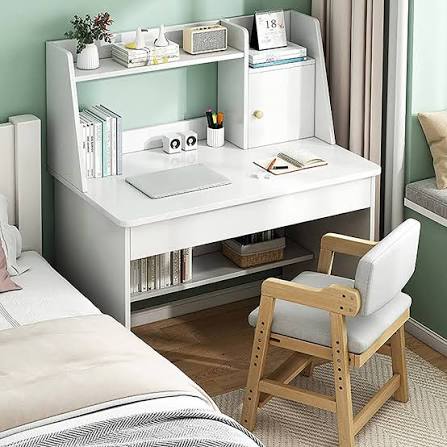
Desks with built-in bookshelves combine a working surface with vertical storage. They allow children to keep textbooks, folders, and reference materials close to their study area.
This design can be particularly useful in smaller bedrooms because it reduces the need for separate shelving units. It can also help create a dedicated learning zone that keeps books and supplies organized.
Arrange frequently used materials on accessible shelves and place heavier items only on shelves designed to support them. A tidy shelving system makes it easier to find resources and maintain the room.
Computer Desks for Older Students
Computer desks provide space for laptops, desktop computers, and related accessories. They are suitable for teenagers who complete digital assignments, participate in online learning, or use educational software.
Before purchasing a computer desk, consider the size of the equipment and the space needed for writing. The surface should accommodate digital devices without leaving too little room for notebooks and textbooks.
Cable management features can help prevent wires from becoming tangled and keep the workstation looking neat. Pairing the desk with a suitable chair and appropriate lighting can create a more comfortable study environment.
Corner Study Desks
Corner study desks make use of areas that might otherwise remain empty. Their shape can provide a generous work surface while keeping the central part of the bedroom available for movement.
These designs can be helpful when a standard desk would block a doorway or interfere with other furniture. Some corner desks also include drawers or shelving to improve storage.
Measure the available wall space carefully before choosing a corner model. The desk should fit naturally into the room without restricting access to windows, wardrobes, or other essential features.
Adjustable Study Desks
Adjustable study desks can accommodate changing needs by allowing the work surface to be raised or lowered within the manufacturer's specified range. They may be a practical choice for growing children who need furniture that adapts as their height changes.
The adjustment mechanism should be stable and appropriate for the intended user. Families should review the product specifications and recommended height range before making a purchase.
Pairing an adjustable desk with a suitable chair can help children maintain a more comfortable working position as they grow.
Choosing Durable Materials and Attractive Finishes
The materials used in a study desk affect its appearance, durability, and maintenance requirements. Wooden desks are popular because they offer a warm, versatile look that complements many bedroom styles. Natural wood finishes create a timeless appearance, while white and light-colored desks can make a room feel brighter.
Engineered wood provides a wide variety of affordable designs, finishes, and storage configurations. Some modern desks combine wooden surfaces with metal frames for a contemporary appearance.
When comparing desks, examine the stability of the frame, the finish of the desktop, and the quality of drawers and shelves. A durable, easy-to-clean surface is particularly useful for children who use their desks for writing, drawing, and creative projects.
Choosing a finish that coordinates with existing bedroom furniture can create a unified design. Neutral colors also make it easier to update accessories as children's preferences change.
Selecting the Right Desk Size and Position
Measuring the bedroom before purchasing a study desk helps prevent overcrowding. Start by measuring the available floor space and identifying the positions of doors, windows, wardrobes, and electrical outlets.
Consider how the desk will be used. Younger children may need a smaller surface for drawing and basic assignments, while older students may require additional space for textbooks, laptops, and larger projects.
Desk height and legroom are important for everyday comfort. Children should be able to sit with their feet supported and their arms positioned comfortably while working. Check that the chair fits beneath the desk and that drawers do not restrict movement.
Positioning the desk near a window can provide natural light when the layout allows. However, avoid direct glare on computer screens and ensure that the chair can move freely.
Creating a Comfortable and Productive Workspace
A study desk becomes more effective when combined with suitable seating, lighting, and organization. Choose a chair that fits the child's height and offers appropriate support.
A desk lamp can provide focused illumination during evening study sessions. Position it to reduce shadows and glare, and follow the manufacturer's instructions for safe use.
Desk organizers, pencil holders, and trays keep frequently used supplies within reach. Nearby shelves can hold books and folders, while storage containers can separate stationery, art supplies, and other materials.
Reducing distractions can also help children concentrate. Keeping unrelated toys and unnecessary devices away from the immediate work area allows the desk to remain dedicated to learning and creative activities.
Coordinating Study Desks With Kids & Youth Bedrooms
A study desk should complement the overall bedroom design. Matching its finish with the bed frame, wardrobe, or dresser creates a consistent appearance, while a contrasting color can make the study area stand out.
For younger children, colorful organizers and playful accessories can make the workspace more inviting. Teenagers may prefer simple furniture, neutral tones, and accessories that reflect their interests.
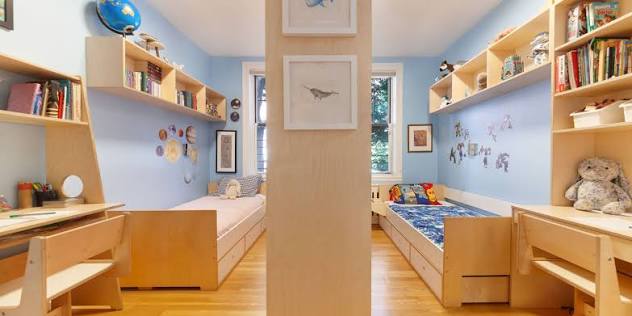
In shared bedrooms, a compact desk positioned against a wall can create a functional study zone without taking up too much space. Vertical shelves and coordinated storage can help maintain a balanced layout.
Maintaining an Organized Study Area
Regular organization helps children use their desks more effectively. Encourage them to return stationery to its designated place, arrange books by subject, and keep completed assignments in folders.
A short weekly cleanup can remove unnecessary papers and prepare the workspace for upcoming tasks. Parents can also review whether the desk continues to provide enough storage and surface area as school requirements change.
Choosing adaptable furniture and maintaining simple organization habits can help the workspace remain useful throughout different stages of childhood and adolescence.
Conclusion
Study Desks are essential additions to modern Kids & Youth Bedrooms, providing dedicated spaces for homework, reading, creativity, and organization. From compact models and storage-equipped designs to computer desks, corner workstations, and adjustable options, families can choose furniture that suits different ages and room layouts.
When selecting a study desk, consider its size, materials, storage capacity, comfort, and compatibility with the rest of the bedroom. Combining the right desk with suitable seating, effective lighting, and practical organizers can create a welcoming environment that supports concentration and independent learning. With thoughtful planning, a study desk can become a valuable part of a bedroom that adapts to children's changing needs.