Creating a Timeless Dining Room with Classic Furniture and Elegant Design
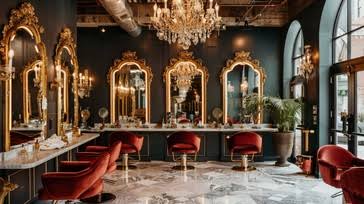
A dining room is more than a place to enjoy meals. It is a welcoming space where families gather, friends share conversations, and special occasions become lasting memories. Creating an attractive dining area requires a thoughtful combination of furniture, lighting, colors, and decorative accessories. Whether you prefer traditional interiors or a more contemporary atmosphere, choosing furniture with character and quality can make your dining room both beautiful and functional.
Classic furniture continues to attract homeowners because of its distinctive appearance, craftsmanship, and ability to complement different interior styles. With the right design choices, you can create a dining room that feels comfortable, sophisticated, and inviting for years to come.
The Lasting Appeal of Classic Dining Room Furniture
Furniture inspired by earlier design periods has a unique charm that makes it different from many contemporary pieces. Detailed woodwork, elegant silhouettes, decorative legs, and carefully selected finishes contribute to an atmosphere of warmth and sophistication.
Vintage Dining Sets offer an excellent source of inspiration for homeowners who appreciate traditional craftsmanship and distinctive furniture designs. These dining arrangements often feature beautiful materials, carefully shaped chairs, and tables that serve as attractive focal points.
One of the greatest advantages of classic furniture is its versatility. It can complement traditional homes, transitional interiors, and even modern spaces that need a touch of character. Pairing a traditional wooden dining table with contemporary lighting, for example, creates an interesting contrast without making the room feel inconsistent.
Choosing the Perfect Dining Table
The dining table is the centerpiece of every dining room. It determines the seating arrangement, influences the overall layout, and plays an important role in the room's functionality.
Before selecting a table, consider the available floor space and the number of people who regularly gather around it. Rectangular tables are suitable for larger rooms and formal dining arrangements, while round tables encourage conversation and work particularly well in smaller spaces.
Oval tables provide a softer appearance while offering generous seating capacity. Square tables can be an excellent choice for compact dining areas or smaller households.
Material selection is equally important. Solid wood remains a popular option because of its natural appearance, durability, and timeless character. Oak, walnut, mahogany, and cherry are particularly attractive choices for traditional dining furniture.
Consider the table's finish as well. Dark wood finishes create a rich, formal atmosphere, while lighter finishes introduce warmth without making the room feel heavy.
Selecting Comfortable and Stylish Dining Chairs
Dining chairs should complement the table while providing sufficient comfort for everyday use and longer gatherings. Their design can significantly influence the overall appearance of the dining room.
Traditional chairs often feature carved wooden frames, upholstered seats, decorative backs, and elegant proportions. Contemporary alternatives may have simpler silhouettes and understated details.
When choosing chairs, pay attention to seat height, back support, cushioning, and overall construction. The chairs should fit comfortably beneath the table and allow enough space for guests to sit and move naturally.
Upholstered dining chairs are particularly attractive when creating a sophisticated dining environment. Fabrics such as velvet, linen, and textured polyester can introduce additional softness and visual interest.
For a coordinated appearance, select upholstery colors that complement the table's finish, wall color, and other decorative elements.
Creating a Harmonious Color Palette
Color plays an important role in establishing the mood of a dining room. The right combination can make the space feel warm, elegant, and welcoming.
Neutral shades such as cream, beige, ivory, and light gray provide a versatile foundation. These colors allow detailed furniture pieces to stand out while maintaining a balanced appearance.
For traditional interiors, deeper shades such as burgundy, navy blue, forest green, and chocolate brown can create a luxurious atmosphere. These colors work particularly well with dark wooden furniture and warm metallic accents.
If you prefer a brighter dining room, consider combining light-colored walls with natural wood furniture and soft decorative accessories.
Maintaining consistency is essential. Choose a dominant color, introduce complementary shades, and use smaller decorative details to add contrast without overwhelming the room.
Combining Traditional and Modern Design Elements
A dining room does not need to follow a single decorative style. Combining classic furniture with modern accessories can create a distinctive interior that feels both timeless and current.
For example, a traditional wooden dining table can be paired with contemporary pendant lighting. Classic upholstered chairs can complement a minimalist sideboard, while a modern area rug can introduce texture beneath an elegant dining arrangement.
The secret is finding common elements that connect different styles. Similar colors, complementary materials, and balanced proportions help create a coordinated appearance.
This approach also allows homeowners to incorporate treasured furniture pieces without redesigning the entire room.
Enhancing the Dining Room with Beautiful Lighting
Lighting can completely transform the dining experience. It highlights furniture details, creates a comfortable atmosphere, and makes everyday meals and special occasions more enjoyable.
A chandelier positioned above the dining table can serve as an impressive focal point. Traditional interiors often benefit from crystal chandeliers or decorative metal fixtures, while modern dining rooms may look better with simple pendant lights.
Consider the size of the fixture in relation to the dining table. An oversized chandelier may overwhelm a small room, while a very small fixture may appear insignificant above a large table.
Additional lighting can improve functionality. Wall sconces, table lamps on nearby consoles, and recessed ceiling lights provide flexibility for different activities.
Warm lighting is generally suitable for dining areas because it creates an inviting atmosphere and enhances the natural appearance of wood and upholstery.
Adding Decorative Accessories and Personal Details
Accessories help transform a dining room from a simple furniture arrangement into a personalized and welcoming environment.
A decorative centerpiece can make the dining table more attractive without interfering with everyday use. Fresh flowers, elegant vases, decorative bowls, and seasonal arrangements are all suitable options.
Wall artwork can introduce color and character. Large framed paintings or carefully arranged decorative prints can complement the furniture and create visual interest.
Mirrors are another useful addition, especially in smaller dining rooms. They reflect light and can make the space feel more open.
A sideboard or buffet cabinet provides additional storage while offering a practical surface for decorative accessories. It can also display serving pieces, tableware, and family heirlooms.
Avoid overcrowding the room with unnecessary decorations. A few carefully selected accessories usually create a more refined result.
Choosing the Right Dining Room Layout
A successful dining room design depends on more than attractive furniture. The arrangement should support comfortable movement and make everyday activities convenient.
Leave enough space around the dining table for chairs to move freely. Consider the position of doors, windows, cabinets, and nearby walkways before deciding where to place the furniture.
If the dining room is relatively small, choose furniture with appropriate proportions. Round tables, compact sideboards, and chairs with streamlined frames can help maximize the available space.
Larger dining rooms offer more flexibility. You can incorporate additional seating, decorative cabinets, serving tables, and separate areas for displaying artwork or collectibles.
A well-organized layout makes the room feel balanced and ensures that its decorative features remain practical.
Maintaining Classic Dining Furniture
Proper maintenance is essential for preserving the beauty and durability of dining furniture. Wooden tables and chairs should be cleaned regularly using suitable products and soft cloths.
Avoid placing extremely hot dishes directly on wooden surfaces. Use protective mats and coasters to prevent heat marks, scratches, and moisture damage.
Upholstered chairs should be vacuumed periodically to remove dust and loose particles. Always follow the manufacturer's instructions when treating stains or cleaning delicate fabrics.
Protect wooden furniture from excessive sunlight and sudden temperature changes whenever possible. These precautions can help preserve its finish and structural condition.
Regular care ensures that beautiful dining furniture remains an attractive part of your home for many years.
Conclusion
Designing an elegant dining room involves combining attractive furniture, comfortable seating, coordinated colors, and thoughtful decorative details. Classic dining furniture offers a distinctive way to introduce warmth, craftsmanship, and personality into your home.
By choosing the right table, selecting comfortable chairs, incorporating suitable lighting, and maintaining a balanced layout, you can create a dining space that is both practical and visually appealing. Whether your preference is traditional elegance or a mixture of classic and contemporary styles, thoughtful design choices will help establish a welcoming environment for everyday meals and memorable gatherings.
Related posts