How to Create a Luxurious Living Room with Elegant Furniture and Timeless Details
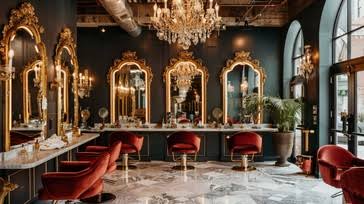
Creating a luxurious living room is about finding the perfect balance between comfort, sophistication, and functionality. As one of the most frequently used spaces in any home, the living room should provide a welcoming atmosphere while reflecting the homeowner's personal taste. From carefully selected furniture to decorative accessories and coordinated color palettes, every design element contributes to the overall appearance of the space.
Whether you prefer a traditional interior, a contemporary setting, or a combination of different styles, thoughtful furniture selection can transform your living room into an elegant and comfortable retreat. Understanding how to combine materials, textures, colors, and decorative finishes will help you achieve a design that remains attractive for years.
Choosing Furniture That Defines Your Interior Style
Furniture is the foundation of every successful living room design. The right pieces establish the room's character, determine how the available space is used, and influence the comfort of everyday activities.
When selecting living room furniture, consider the dimensions of the room and the number of people who regularly use it. Spacious interiors can accommodate larger sofas, decorative armchairs, and statement coffee tables. Smaller rooms benefit from streamlined furniture that provides sufficient seating without restricting movement.
It is also important to choose furniture that complements the architectural features of your home. High ceilings, large windows, decorative moldings, and open floor plans can all influence the type of furniture that works best.
A consistent design direction helps create visual harmony. Traditional interiors often feature curved silhouettes, rich upholstery, and decorative woodwork, while modern spaces typically emphasize clean lines, simple shapes, and understated finishes.
Adding Luxury Through Elegant Sofa Designs
The sofa is often the central feature of a living room. It provides everyday comfort while creating an important visual statement. Choosing the right sofa can establish the entire decorative direction of the space.
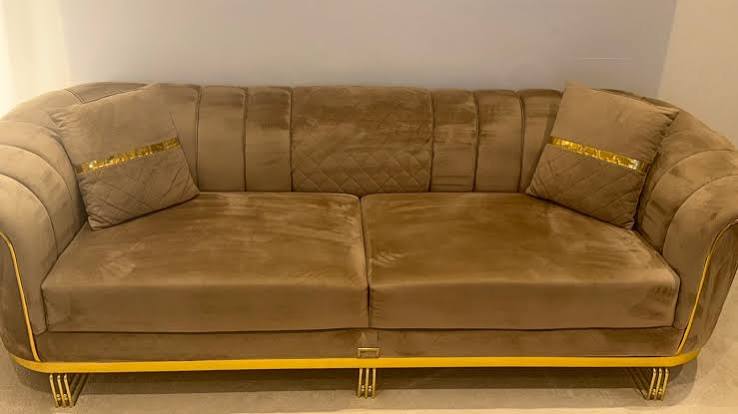
Homeowners looking for a sophisticated appearance can explore designs featuring refined upholstery, carefully finished frames, and distinctive decorative accents. Details such as elegant stitching, curved armrests, decorative legs, and metallic finishes can make an ordinary seating arrangement feel more luxurious.
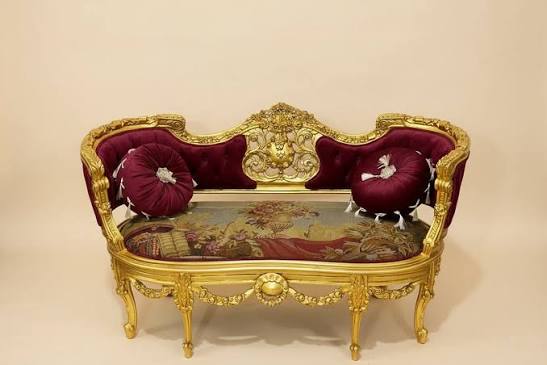
Gold-Trim Sofas offer an attractive design inspiration for interiors that combine elegant upholstery with glamorous finishing details. Gold accents can introduce warmth and visual interest while complementing different furniture styles. Whether incorporated into traditional seating or contemporary designs, metallic detailing can create an impressive focal point.
The secret is choosing a sofa that combines decorative beauty with practical comfort. Consider the seat depth, cushion firmness, back support, and upholstery quality before making a final decision.
Understanding the Appeal of Gold Accents
Gold has long been associated with elegance and timeless interior design. Its warm appearance makes it a popular decorative finish for furniture, lighting, mirrors, and accessories.
In living rooms, gold details can create beautiful contrasts against neutral colors and rich upholstery. A gold-finished sofa frame, for example, can complement cream, navy, emerald green, burgundy, or charcoal fabrics.
However, incorporating metallic finishes requires balance. Too many gold elements can make a room feel visually crowded. Instead, introduce gold through a few carefully selected features.
Consider combining gold furniture details with:
Neutral-colored walls and soft decorative finishes.
Marble coffee tables with subtle veining.
Warm wooden furniture and flooring.
Elegant mirrors with metallic frames.
Decorative lamps with gold-colored bases.
Cushions featuring complementary metallic patterns.
These combinations create a coordinated appearance without making the interior feel excessive.
Selecting the Right Upholstery Materials
Upholstery plays a major role in determining the appearance, comfort, and durability of living room furniture. Different materials offer different textures and practical advantages, making it important to choose an option that suits your lifestyle.
Velvet is a popular choice for luxurious interiors because of its soft texture and rich appearance. It works particularly well with decorative metallic finishes and traditional furniture silhouettes.
Leather provides a sophisticated appearance and can be relatively easy to maintain when properly treated. It is available in different colors and finishes, making it suitable for both classic and contemporary interiors.
Linen and cotton offer a more relaxed appearance. These materials are particularly appealing in casual living spaces where comfort and simplicity are important.
When selecting upholstery, consider cleaning requirements, durability, resistance to everyday wear, and the overall decorative style of your home.
Creating a Harmonious Color Scheme
A carefully planned color palette can make a living room feel more spacious, comfortable, and visually balanced. The best approach is to select colors that complement one another while supporting the furniture and decorative finishes.
Neutral shades such as ivory, beige, cream, and light gray provide an excellent foundation. They create a calm background that allows statement furniture pieces to attract attention.
For a more dramatic appearance, consider incorporating darker colors such as navy blue, forest green, chocolate brown, or burgundy. These shades work particularly well with warm metallic accents.
A useful design approach is to choose one dominant color, two complementary shades, and a small number of accent colors. This creates consistency throughout the room while leaving enough flexibility to introduce decorative accessories.
Wall colors should also complement the upholstery. Soft neutral walls can make richly colored furniture stand out, while darker walls can create an intimate atmosphere when paired with appropriate lighting.
Arranging Living Room Furniture Effectively
Even beautiful furniture can lose its impact when arranged incorrectly. A well-planned layout improves movement, creates comfortable seating areas, and makes the room more functional.
Start by identifying the main focal point. This could be a fireplace, a large window, an entertainment unit, or an impressive sofa arrangement.
Position the primary seating pieces around this feature while maintaining enough space for comfortable movement. Avoid placing furniture too close together, as overcrowded layouts can make the room feel smaller.
In larger living rooms, consider creating separate functional zones. One area can be dedicated to conversation, while another can accommodate reading or entertainment.
Coffee tables should be positioned within convenient reach of the seating. Side tables can provide additional surfaces for lamps, books, and decorative objects.
The goal is to create an arrangement that looks organized while supporting everyday activities.
Enhancing the Space with Decorative Accessories
Accessories bring personality and character to a living room. They help connect different furniture pieces and introduce additional textures, colors, and decorative details.
Area rugs are particularly useful for defining seating arrangements. A rug placed beneath the main furniture grouping can visually connect sofas, armchairs, and coffee tables.
Decorative cushions provide an easy way to introduce complementary colors and patterns. Combining different textures can make seating areas feel more inviting.
Mirrors can also improve the appearance of a room by reflecting natural light and creating a greater sense of openness. Large framed mirrors are especially effective in traditional and glamorous interiors.
Other accessories worth considering include decorative trays, ceramic vases, framed artwork, indoor plants, and elegant table lamps.
When choosing accessories, remember that quality and placement matter more than quantity. A few carefully selected pieces often create a more sophisticated result than an excessive collection of decorations.
Choosing Lighting That Complements Your Furniture
Lighting is an essential part of creating a welcoming living room. It highlights furniture details, enhances colors, and influences the atmosphere throughout the day.
A combination of different lighting sources provides greater flexibility than relying on a single ceiling fixture.
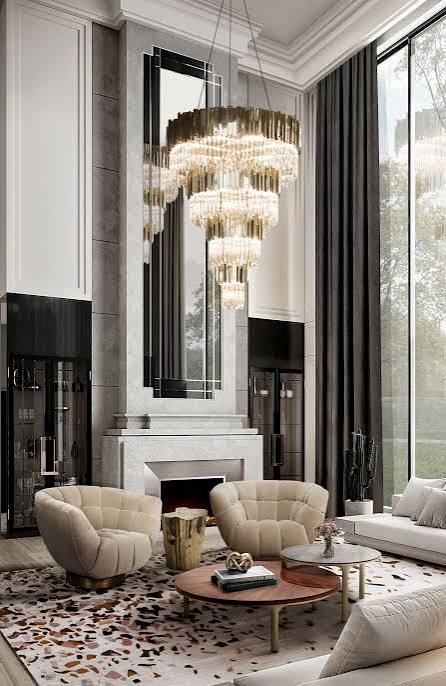
Chandeliers can introduce elegance and become attractive focal points in traditional interiors. Pendant lights are suitable for contemporary spaces, while floor lamps provide practical illumination near sofas and reading chairs.
Table lamps can add warmth to side tables and decorative consoles. Choosing fixtures with metallic finishes can also help connect the lighting design with gold furniture accents.
Warm white lighting is generally a comfortable option for living rooms because it creates a relaxing atmosphere and enhances warm decorative materials.
Maintaining the Beauty of Your Living Room Furniture
Regular furniture maintenance helps preserve its appearance and extend its useful life. Different upholstery and decorative finishes require different cleaning methods, so always follow the manufacturer's recommendations.
Vacuum upholstered furniture regularly using a suitable attachment to remove dust and loose particles. Clean spills promptly using appropriate products and avoid harsh chemicals that could damage delicate materials.
Metallic furniture details should be cleaned gently with a soft cloth. Avoid abrasive materials that may scratch or affect the finish.
It is also beneficial to protect furniture from excessive direct sunlight, which can cause certain fabrics and finishes to fade over time.
Regularly inspecting sofa frames, cushions, and decorative components can help identify minor issues before they become more significant problems.
Conclusion
A luxurious living room is created through thoughtful furniture selection, harmonious colors, comfortable upholstery, and carefully coordinated decorative details. Elegant sofas, metallic finishes, attractive lighting, and complementary accessories can work together to establish a sophisticated atmosphere without sacrificing everyday functionality.
By focusing on quality, proportion, and visual balance, homeowners can design a living space that reflects their personality and provides lasting comfort. Whether choosing a traditional arrangement or a modern interior, the most successful design is one that combines timeless elegance with practical living.
Related posts